Historical & Cultural Sites
Discover the history and culture through monuments, museums and timeless places
Archaeological Site of Olympia
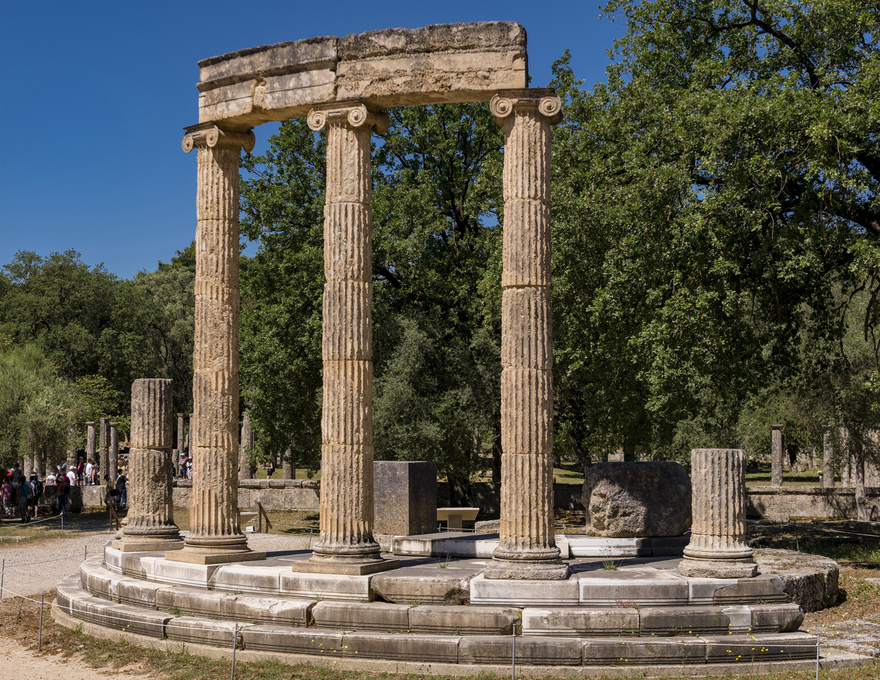
This is the most famous archaeological site in the Peloponnese and the birthplace of the ancient Olympic Games. The sanctuary dates back to the 10th century BC and was dedicated to Zeus, the king of the gods. Visitors can walk through the ruins of the magnificent Temple of Zeus, which once housed one of the Seven Wonders of the Ancient World—the gold and ivory statue of Zeus. The ancient stadium, where athletes competed for glory, is still visible and can hold up to 45,000 spectators.
The site also includes the Temple of Hera, the gymnasium, the palaestra, and the workshop of the sculptor Phidias. Walking through this sacred area, known as the Altis, gives visitors a profound sense of history and spirituality. It is a UNESCO World Heritage site and remains the single most important reason why tourists visit the Katakolo region.
Archaeological Museum of Olympia
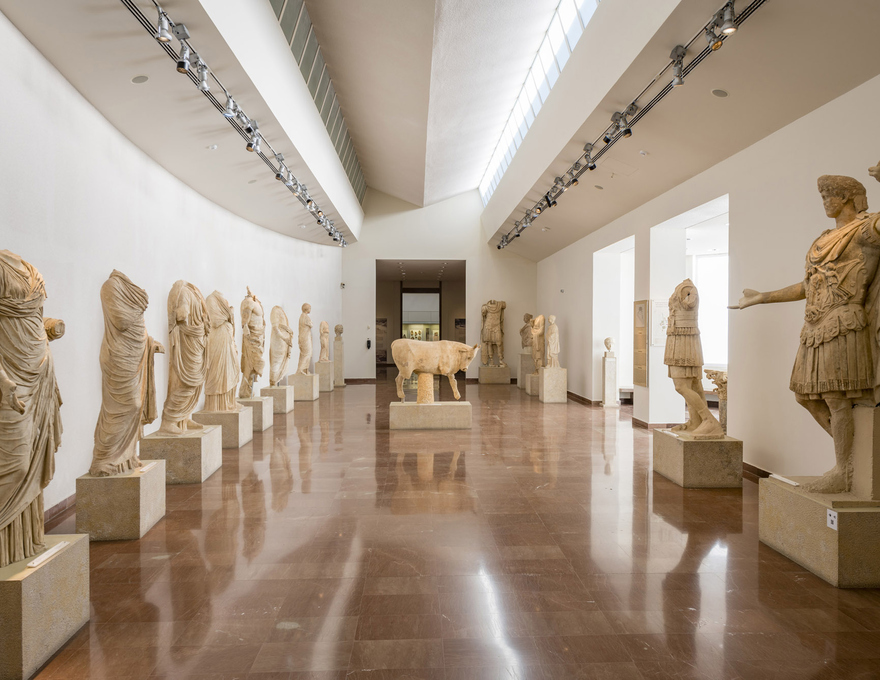
Located right next to the archaeological site, this museum is one of the most important in all of Greece. It houses the stunning finds excavated from the sanctuary, including the famous statue of Hermes by Praxiteles, the Nike of Paeonius, and the magnificent pediment sculptures from the Temple of Zeus. The museum is beautifully organized and offers a comprehensive narrative of the site’s history and religious significance.
The collection includes bronze and terracotta offerings, armor, and tools that provide insight into ancient Greek daily life and athletic practices. The museum’s large hall allows visitors to admire the sculptures from every angle, and the information panels are detailed and informative. It is an essential complement to a visit to the ruins themselves.
Museum of the History of the Olympic Games
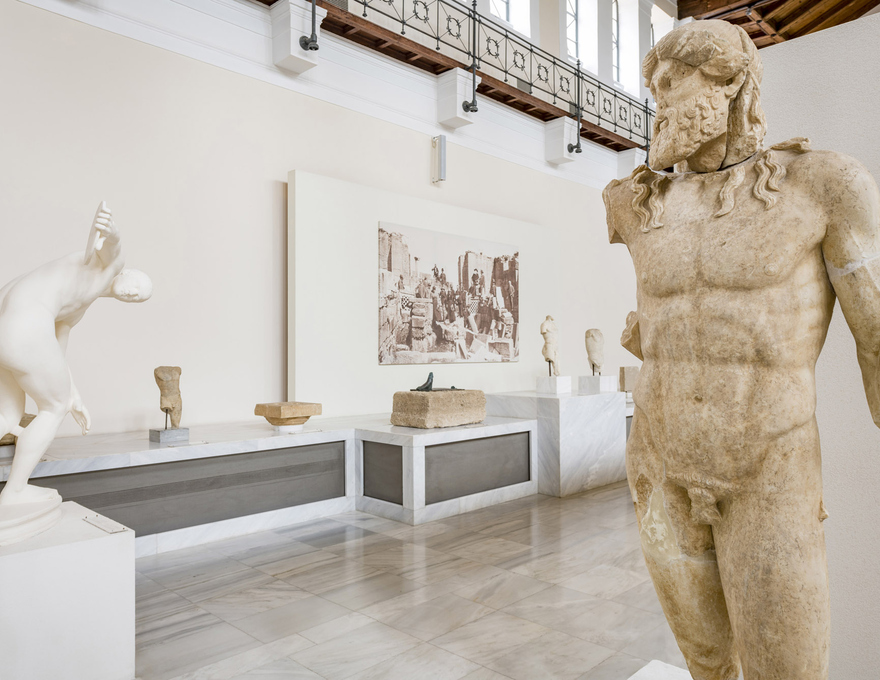
This museum is located in the modern town of Olympia, separate from the main archaeological museum. It is entirely dedicated to the history of the Olympic Games, both ancient and modern. The exhibits include ancient inscriptions, votive offerings, and detailed models that explain the rules, events, and prizes of the ancient competitions.
Visitors can learn about the famous athletes of antiquity and the strict training regimens they followed. The museum also covers the revival of the Games in 1896 and their evolution into the global sporting event we know today. It is a fascinating stop for sports enthusiasts and history buffs alike.
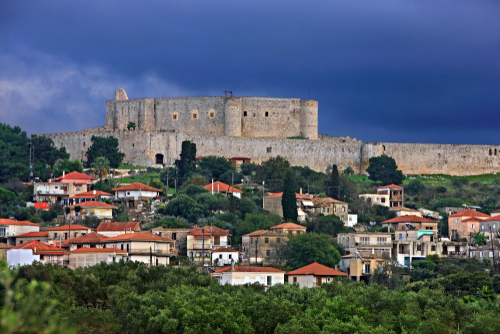
Pontikokastro Castle
Perched on a hilltop northeast of Katakolo, this ruined medieval fortress offers spectacular panoramic views. It was originally built by the Byzantines and later strengthened by the Franks, who called it Beauvoir or Belvedere due to its commanding position. The walls, though partially collapsed, still trace the outline of the fortress and give a clear picture of its strategic importance.
The climb to the top is rewarded with breathtaking views of the Ionian Sea, the coastline, and the surrounding olive groves. There is very little restoration, so visitors experience the castle in its raw, authentic state. It is a quiet and contemplative site, far removed from the crowds of Olympia.
Museum of Ancient Greek Technology
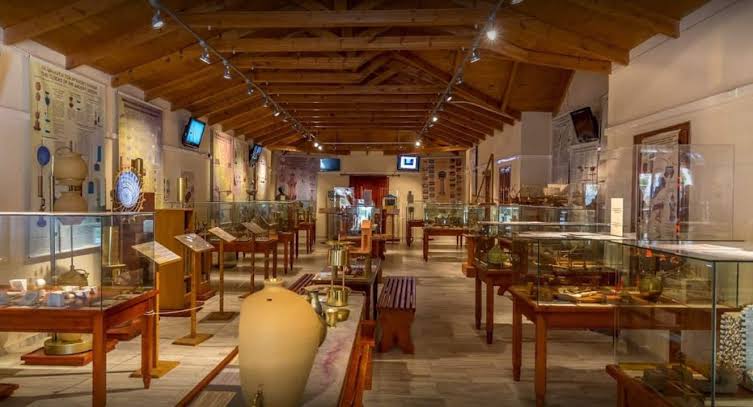
Located right in the center of Katakolo village, this museum is a hidden gem that surprises many visitors. It houses approximately 250 fully functional, working models of ancient Greek inventions, spanning from 2200 BCE to 100 CE. Exhibits include the world’s first analog computer (the Antikythera mechanism), automatic doors, water clocks, and even an ancient robotic servant.
Each model is accompanied by detailed explanations in both Greek and English, and many displays are interactive, allowing visitors to operate the mechanisms. This museum demonstrates that ancient Greeks were far more than philosophers and artists—they were brilliant engineers and inventors whose technology laid the foundations for modern science.